

Global Summit on Public Health, Immunology & Vaccines (VACCINES2026)
Advances in vaccine science and technology including mRNA vaccine platforms and applications, viral vector-based vaccines, DNA vaccines—progress and challenges, peptide, protein and subunit vaccines, combination and multivalent vaccines, vaccine formulation, stability and delivery systems, nanotechnology in vaccine delivery, novel vaccine adjuvants and immunopotentiators, and cold chain innovation and vaccine logistics; immunology and immune mechanisms covering innate and adaptive immune responses to vaccination, T-cell and B-cell immunity, immunogenetics and host vaccine response, immune evasion mechanisms of pathogens, autoimmunity and vaccination, immunotoxicology and vaccine safety evaluation, immune aging and immune senescence, geriatric vaccines, mucosal immunity and oral/nasal vaccines, and immunoengineering and synthetic immunology; computational and next-generation approaches such as immunoinformatics in rational vaccine design, artificial intelligence in vaccine discovery, systems biology in vaccine research, CRISPR and genomics in vaccine R&D, personalized vaccinology and precision medicine, organoids and in-vitro models for vaccine testing, and 3D-bioprinting for immunological models; clinical development and regulation including Phase I–IV vaccine trials, vaccine clinical trial design and implementation, regulatory affairs and vaccine approvals, real-world evidence and post-market surveillance, and ethical issues in vaccine testing; public health and global policy themes encompassing global immunization programs and policies, health economics of vaccination programs, surveillance and monitoring of vaccine-preventable diseases, herd immunity in vulnerable populations, vaccine access and equity in low-resource settings, the role of NGOs in immunization programs, and the One Health approach to zoonotic diseases; disease-focused strategies addressing vaccines for neglected tropical diseases, vaccines against respiratory viruses, HIV, tuberculosis and malaria vaccine development, hepatitis vaccines, emerging zoonoses and vector-borne diseases, antimicrobial resistance and the role of vaccines, and vaccine development for bioterrorism threats; maternal, child and adolescent immunization including childhood immunization strategies, maternal immunization for neonatal protection, vaccines in pregnancy, and adolescent immunization coverage; pandemic preparedness and societal impact covering pandemic preparedness and response strategies, lessons learned from COVID-19 vaccine trials, vaccine hesitancy and public perception, behavioral science in vaccine uptake, community engagement and vaccine literacy, and media, misinformation and science communication; digital health and supply-chain innovation including AI and big data in epidemiological forecasting and blockchain in vaccine supply chain management; and training and capacity building in immunology and vaccinology.
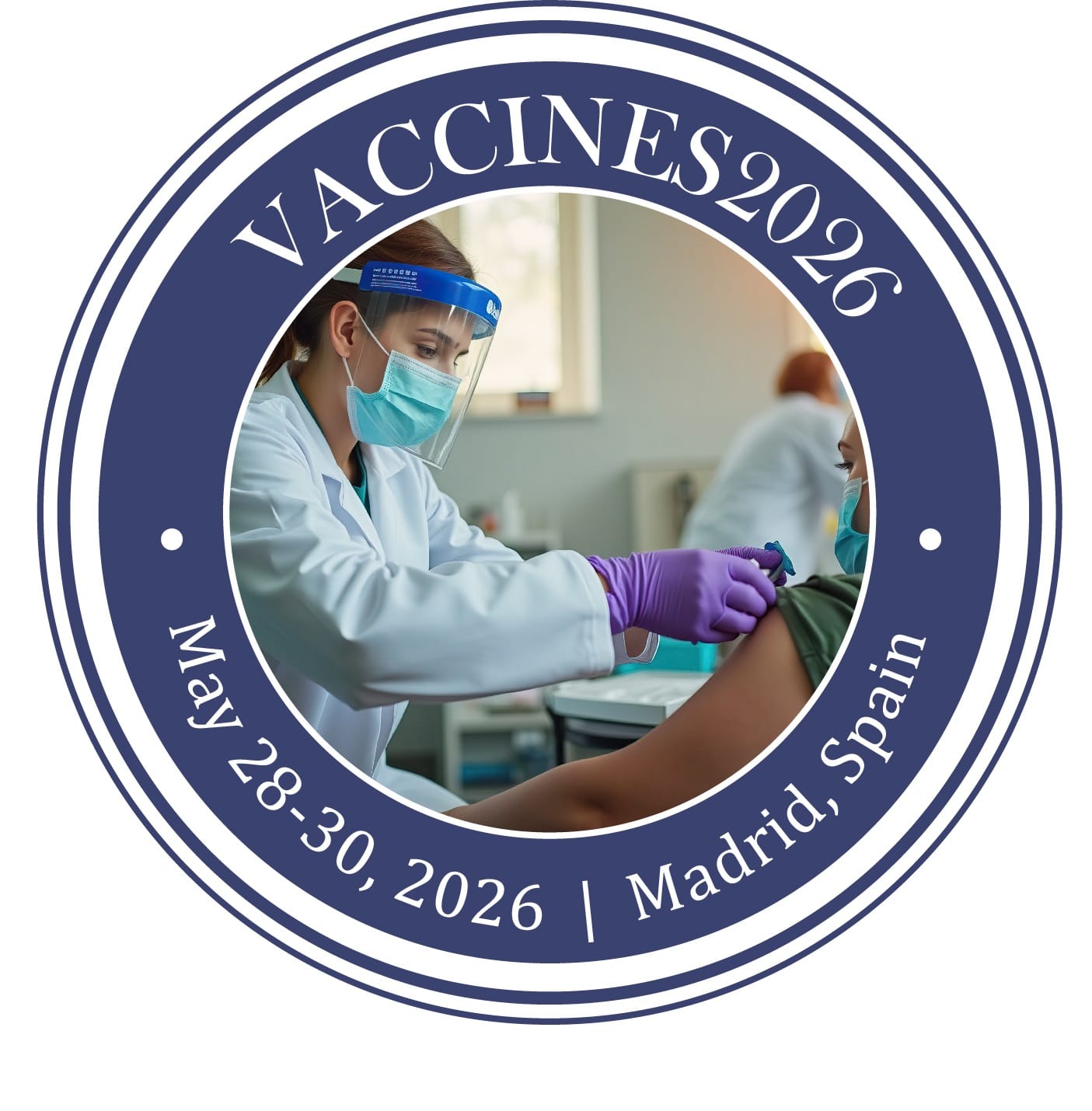
Research Connects is delighted to extend a warm invitation to participants from across the globe to join us at the Global Summit on Public Health, Immunology & Vaccines, scheduled to take place from May 28–30, 2026 in Madrid, Spain.
The summit will feature keynote and plenary presentations by experts in the field. VACCINES2026 aims to unite global experts and young researchers to exchange ideas and explore key advancements in vaccine research and immunology. Scientific sessions will focus on Vaccine Design, Immune Responses, Novel Delivery Systems, Pandemic Preparedness, Public Health Strategies and Innovations like AI in Immunology and Cancer Immunotherapy offering insights into the future of global health.
We sincerely believe that VACCINES2026 will serve as an invaluable international platform for researchers worldwide. It will facilitate professional neAdvances in vaccine science and technology including mRNA vaccine platforms and applications, viral vector-based vaccines, DNA vaccines—progress and challenges, peptide, protein and subunit vaccines, combination and multivalent vaccines, vaccine formulation, stability and delivery systems, nanotechnology in vaccine delivery, novel vaccine adjuvants and immunopotentiators, and cold chain innovation and vaccine logistics; immunology and immune mechanisms covering innate and adaptive immune responses to vaccination, T-cell and B-cell immunity, immunogenetics and host vaccine response, immune evasion mechanisms of pathogens, autoimmunity and vaccination, immunotoxicology and vaccine safety evaluation, immune aging and immune senescence, geriatric vaccines, mucosal immunity and oral/nasal vaccines, and immunoengineering and synthetic immunology; computational and next-generation approaches such as immunoinformatics in rational vaccine design, artificial intelligence in vaccine discovery, systems biology in vaccine research, CRISPR and genomics in vaccine R&D, personalized vaccinology and precision medicine, organoids and in-vitro models for vaccine testing, and 3D-bioprinting for immunological models; clinical development and regulation including Phase I–IV vaccine trials, vaccine clinical trial design and implementation, regulatory affairs and vaccine approvals, real-world evidence and post-market surveillance, and ethical issues in vaccine testing; public health and global policy themes encompassing global immunization programs and policies, health economics of vaccination programs, surveillance and monitoring of vaccine-preventable diseases, herd immunity in vulnerable populations, vaccine access and equity in low-resource settings, the role of NGOs in immunization programs, and the One Health approach to zoonotic diseases; disease-focused strategies addressing vaccines for neglected tropical diseases, vaccines against respiratory viruses, HIV, tuberculosis and malaria vaccine development, hepatitis vaccines, emerging zoonoses and vector-borne diseases, antimicrobial resistance and the role of vaccines, and vaccine development for bioterrorism threats; maternal, child and adolescent immunization including childhood immunization strategies, maternal immunization for neonatal protection, vaccines in pregnancy, and adolescent immunization coverage; pandemic preparedness and societal impact covering pandemic preparedness and response strategies, lessons learned from COVID-19 vaccine trials, vaccine hesitancy and public perception, behavioral science in vaccine uptake, community engagement and vaccine literacy, and media, misinformation and science communication; digital health and supply-chain innovation including AI and big data in epidemiological forecasting and blockchain in vaccine supply chain management; and training and capacity building in immunology and vaccinology.
Research Connects is delighted to extend a warm invitation to participants from across the globe to join us at the Global Summit on Public Health, Immunology & Vaccines, scheduled to take place from May 28–30, 2026 in Madrid, Spain.
The summit will feature keynote and plenary presentations by experts in the field. VACCINES2026 aims to unite global experts and young researchers to exchange ideas and explore key advancements in vaccine research and immunology. Scientific sessions will focus on Vaccine Design, Immune Responses, Novel Delivery Systems, Pandemic Preparedness, Public Health Strategies and Innovations like AI in Immunology and Cancer Immunotherapy offering insights into the future of global health.
We sincerely believe that VACCINES2026 will serve as an invaluable international platform for researchers worldwide. It will facilitate professional networking, foster new collaborations, and provide avenues for sharing state-of-the-art developments and innovative technologies in the field.
We eagerly anticipate your participation at VACCINES2026 in Madrid!
tworking, foster new collaborations, and provide avenues for sharing state-of-the-art developments and innovative technologies in the field.
We eagerly anticipate your participation at VACCINES2026 in Madrid!